

Kindred Connection
Pediatric Speech-Language Pathology & Infant Feeding in Rochester NY
At Kindred Connection, we know that feeding and communication are some of the earliest, most foundational ways a baby connects with the world — and that struggles in either area can be deeply stressful for the whole family. Our affiliated pediatric speech-language pathologists (SLPs) and infant feeding specialists bring expertise in oral motor function, swallowing, breast and bottle feeding, the transition to solids, and early speech and language development, offering evidence-based, compassionate care for infants, toddlers, and young children.
Our Commitment to Feeding & Communication
Feeding and communication challenges in infancy and early childhood can feel overwhelming — and they often arrive at the exact moment families are already navigating sleep deprivation, recovery, and the steep learning curve of new parenthood. Our network of affiliated pediatric SLPs and feeding specialists shares Kindred Connection's core values: Inclusivity, Advocacy, and Informed Choice.
Whether you're troubleshooting a painful latch in the first weeks postpartum, working through a tongue or lip tie evaluation, supporting a baby with reflux or aspiration, introducing solids with a picky eater, or wondering whether your toddler is meeting their communication milestones, our affiliates offer personalized, family-centered care that meets you where you are.
We are committed to holding a welcoming, affirming space for all members of the perinatal and early childhood community — including the LGBTQIA+ & TGNB community, the BIPOC community, families with disabled children, neurodivergent children and parents, and feeding journeys of every kind (breast/chest, bottle, combination, tube, and beyond).
What Our SLP & Feeding Specialists Support
INFANT FEEDING & SWALLOWING: What is Infant Feeding Therapy? Infant feeding therapy provides individualized, hands-on support for babies and young children who are struggling with any part of eating, drinking, or swallowing. Our affiliated specialists work closely with parents, lactation consultants, pediatricians, and other providers to identify the root cause and build a feeding plan that works for your family. Common areas of support include:
- Painful, shallow, or inefficient latch
- Tongue tie, lip tie, and buccal tie evaluation and post-release therapy
- Bottle feeding difficulties and flow rate guidance
- Slow weight gain or feeding fatigue
- Reflux, GERD, and feeding aversion
- Coughing, choking, or signs of aspiration during feeds
- Transitioning from breast/chest to bottle (or vice versa)
- Introducing solids and baby-led weaning support
- Picky eating, food refusal, and limited dietary variety
- Pediatric dysphagia (swallowing disorders)
- Tube feeding to oral feeding transitions
- Oral motor exercises and pre-feeding skill development
PEDIATRIC SPEECH & LANGUAGE DEVELOPMENT: What is Pediatric Speech-Language Therapy? Pediatric speech-language therapy supports infants, toddlers, and young children in developing the communication and feeding skills they need to connect, express themselves, and thrive. Whether your child is a late talker, a tentative communicator, experiencing feeding difficulties, or a child with a known diagnosis, our affiliated SLPs partner with families to support meaningful, neurodiversity-affirming growth with IBCLC collaboration when needed. Common areas of support include:
- Tarly communication and pre-verbal skills (gestures, eye gaze, joint attention)
- Late talkers and expressive language delays
- Receptive language (understanding what others say)
- Articulation and speech sound development
- Stuttering, fluency, and rhythm of speech
- Apraxia of speech in young children
- AAC (Augmentative and Alternative Communication) support
- Social communication and play-based language skills
- Language support for neurodivergent children (Autism, ADHD, etc.)
- Cognitive decline resulting from brain injuries related to trauma or viral infections
- Oral-motor and pharyngeal exercises
- Language and treatment plans for picky eating, food refusal
- Pediatric dysphagia (swallowing disorders)
- Early intervention collaboration and milestone screening
Affiliated Services
Contact Our Local SLP & Feeding Specialists
Our pediatric speech-language pathology and infant feeding affiliates are compassionate, highly trained professionals local to Rochester, NY who are committed to supporting your child and family through every stage of feeding and communication development. Each provider in our network brings a unique specialty and approach, ensuring care that's tailored to your child's individual needs, your family's goals, and the realities of daily life with little ones.
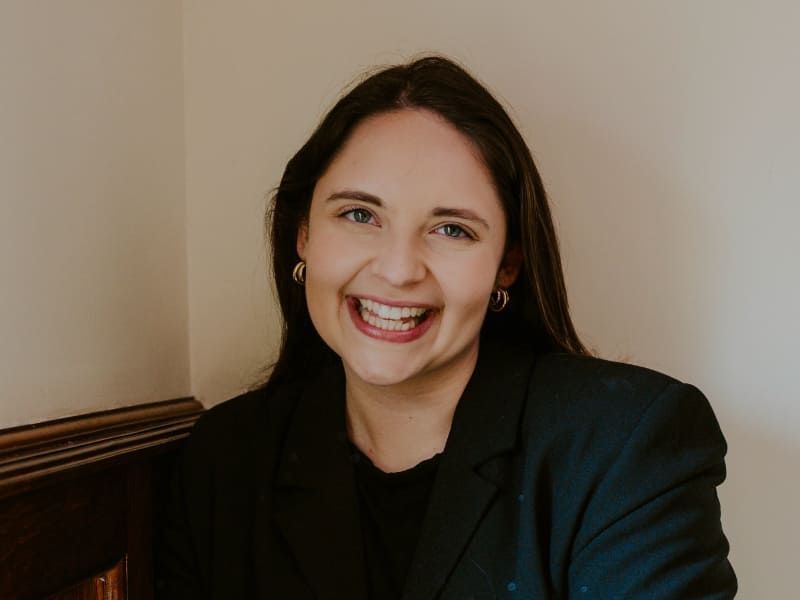
Rise Above Therapies: Morgan Wright
Morgan is a certified speech-language pathologist who strongly believes that everyone deserves a voice. She specializes in delayed speech and language milestones, finding alternative communication when necessary, other congenital diagnoses such as autism, TBI and neurological disorders, and more. She has experience supporting children with safe and comfortable feeding and is dedicated to expanding her knowledge, focusing on both ARFID and infant feeding.
Address: 103 Canal Landing Boulevard, Suite 6, Rochester NY 14626
Insurance: Morgan accepts most commercial insurance plans including Aetna, Excellus BCBS, Cigna, MVP, Child Health Plus plans, and managed care plans.

Lilac Speech Services: Sarah Smith
Sarah is a speech pathologist, infant feeding specialist, and lactation counselor who specializes in supporting medically complex infants and children with a variety of feeding challenges. When not working in her private practice, Sarah also works as an inpatient SLP in the NICU and PICU. Whether by your baby's isolette or at your kitchen table, her goal is to lay the foundation of your little one's lifelong relationship with eating, and provide you with the support you need to keep going.
Address: Currently providing services in-home and via telehealth across Monroe County and the FLX
Insurance: In network with most Excellus BCBS plans. Also a contractor with Monroe County Early Intervention to provide feeding therapy. Otherwise I am private pay (You can use your HSA/FSA to pay for my services!)
Pediatric SLP & Infant Feeding FAQs
Here are answers to some of the most common questions about working with a pediatric speech-language pathologist or infant feeding specialist. If you have additional questions, please feel free to reach out to our affiliates directly.
What does a pediatric speech-language pathologist (SLP) actually do?
A pediatric SLP is a credentialed expert (CCC-SLP) in communication and the structures and functions of the mouth, throat, and swallowing system. That means they support far more than "talking." Pediatric SLPs evaluate and treat infant feeding and swallowing, oral motor skills, tongue and lip tie function, early language development, articulation, stuttering, social communication, and more — from the newborn period through the school years.
How is an SLP different from a lactation consultant (IBCLC)?
An IBCLC specializes in the breastfeeding/chestfeeding relationship — milk supply, latch, positioning, and feeding plans. A pediatric SLP focuses on the mechanics and skills of feeding and swallowing in the baby. Many families benefit from working with both at the same time, and several of our affiliates hold dual credentials (CCC-SLP + IBCLC). Our SLPs are happy to collaborate closely with your lactation provider.
Do I need a referral to see a pediatric SLP or feeding specialist?
In most cases, no — you can self-refer for an evaluation. Some insurance plans, however, require a pediatrician referral for coverage. We recommend reaching out to the provider you're interested in directly to confirm what your plan requires.
My baby is only a few weeks old. Is it too early to see a feeding specialist?
It's never too early. In fact, the earlier we can address feeding challenges, the better. Early support helps protect milk supply, weight gain, oral motor development, and the emotional well-being of the whole family. If something feels "off" with feeding, you do not have to wait for it to get worse.
How do I know if my baby has a tongue or lip tie?
Signs can include a shallow or painful latch, clicking during feeds, milk leaking from the corners of the mouth, slow weight gain, reflux, gassiness, fussiness at the breast/bottle, or a baby who falls asleep before finishing a feed. A qualified pediatric SLP or feeding specialist can perform a comprehensive functional assessment — looking at both anatomy and function — to help you decide whether a release procedure is appropriate, and to support pre- and post-release therapy if you choose to proceed.
When should I be concerned about my child's speech or language?
Every child develops at their own pace, but general milestones can help guide you. By 12 months, most babies are using gestures and a few sounds or words. By 18 months, around 10–20 words. By age 2, two-word combinations like "more milk." If your child is significantly behind these milestones, isn't responding to their name, isn't pointing or imitating, or you simply have a gut feeling that something is “off”, an SLP evaluation is a great next step. Early intervention makes a meaningful difference, and you don't need to "wait and see."
What does a feeding therapy session look like?
Sessions are individualized, play-based, and family-centered. For infants, this may include observing a feed, hands-on upport with positioning and latch, oral motor exercises, and parent coaching. For older babies and toddlers, sessions often look more like a guided mealtime — with structured exposure to new foods, sensory and motor work, and lots of caregiver education. Parents are an essential part of the process, and you'll leave with practical strategies to use at home.
How does this work with Early Intervention or my child's school services?
Many of our affiliates collaborate alongside the New York State Early Intervention (EI) program (for children birth to 3) and the Committee on Preschool Special Education (CPSE) for older children. Private therapy can complement these services — often with greater frequency, family training, or specialty expertise (such as feeding or oral ties) than EI alone can provide. Your affiliate can help you understand how the pieces fit together.
Are services covered by insurance?
Each Kindred Connection affiliate manages their own practice independently, including insurance panels, payment options, and rates. We recommend reaching out directly to the provider you're interested in — or visiting their website — to get accurate, up-to-date information about what they accept. Many providers also offer telehealth options, sliding scale fees, or out-of-network superbills, so don't hesitate to ask.
Do affiliates offer in-home, daycare, or telehealth visits?
Many of our pediatric SLP and feeding specialists offer flexible service locations — including in-home visits, sessions at daycare, and telehealth — to make care more accessible for families with infants, multiple children, or transportation barriers. Check each provider's profile or website for details.